What Does a Curtain Lining Actually Do? A Homeowner's Guide to Choosing the Right Curtain Lining
By Kiri Fields, Design Consultant, Lahood Window Furnishings

By Kiri Fields, Design Consultant, Lahood Window Furnishings
By Kiri Fields, Design Consultant, Lahood Window Furnishings Kiri has worked in the window furnishing and textile industry for over 20 years, specialising in residential curtains and blinds advice.
TL;DR A curtain lining sits behind the face fabric to control light, retain heat, protect the fabric from sun damage, and add body and structure to the finished window furnishing. Linings can be attached directly to both curtains and Roman blinds, or hung separately behind sheers / curtain fabric on a twin track for added flexibility. Well-fitted, lined curtains can reduce heat loss through a window by up to 24%, making lining one of the most cost-effective upgrades available for any New Zealand home. Beyond warmth, a quality lining also blocks UV rays that fade fabric and furniture over time, dampens external noise, and gives drapery the weight and structure that an unlined fabric simply can't achieve on its own. Choosing the right lining - and how it's hung - depends on the room, the window furnishing type, and whether thermal performance or everyday flexibility matters most
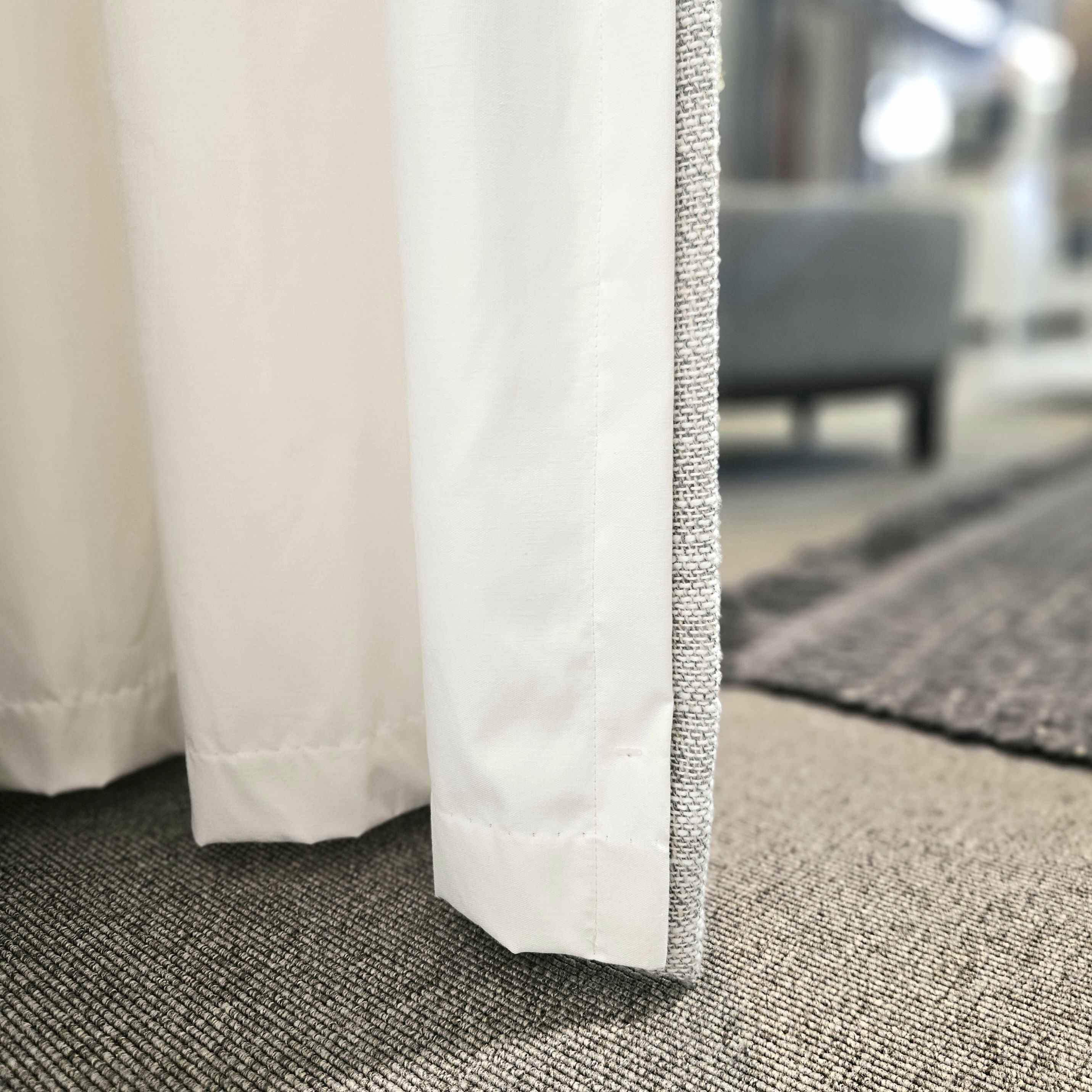
A lining protects the face fabric, controls light, and adds insulation that the decorative fabric alone cannot provide. Without a lining, a curtain fabric will fade unevenly from UV exposure, hang or sit flatter, and offer a reduced level of warmth retention. "Most people fall in love with the curtain fabric and don't give much thought to the lining," says Kiri Fields, Design Consultant at Lahood. "But the lining is what delivers many of the practical benefits. A quality thermal lining helps keep your home warmer, extends the life of your curtains, and protects your interiors from the sun by reducing fading on fabrics, furniture, rugs, carpets and timber flooring."
Lahood's Protection Plus range offers two distinct lining levels, each suited to a different room and performance need, all backed by a 3-year guarantee. The lining options can be attached directly to curtains and Roman blinds, or hung separately behind sheers/curtains on a twin track for flexibility.
Lining | Construction | Best For |
Armourguard 11 | Triple-coated blackout, made from 100% post-consumer recycled fabric | Bedrooms needing full light control and insulation; popular with Roman blinds |
Serenity | Uncoated lining | Living areas with double glazing, where fabric protection is the priority over heavy light control |
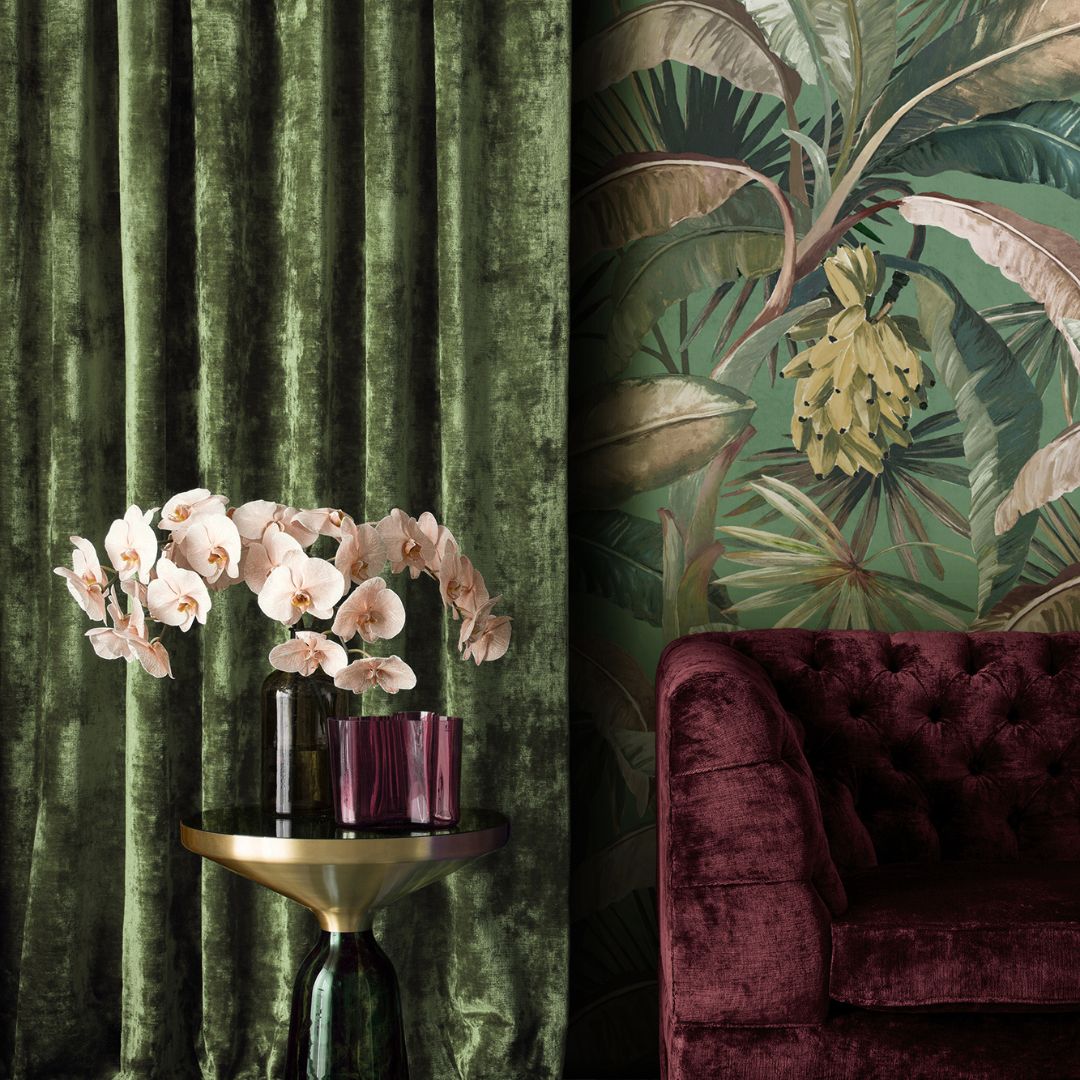
The right lining depends on factors such as the functionality of the room and the level of glazing. As a general guide: bedrooms and media rooms and living areas with single-glazing suit a thermal blackout lining like Armourguard 11 , whilst double-glazed living areas can often use a lighter, uncoated option such as Serenity. Pairing any of these with a properly fitted custom curtain or Roman blind, or a twin-track setup for maximum curtain flexibility, makes the biggest difference to actual performance.
"For a north-facing bedroom, Armourguard II is usually the obvious choice because it delivers effective blackout performance along with the highest level of thermal insulation," says Kiri Fields. "In a living room with double glazing, however, Serenity is often the better fit. It softens and filters the light rather than blocking it completely, and because it's lighter in weight, it allows the curtains to drape more naturally and elegantly”, says Kiri.
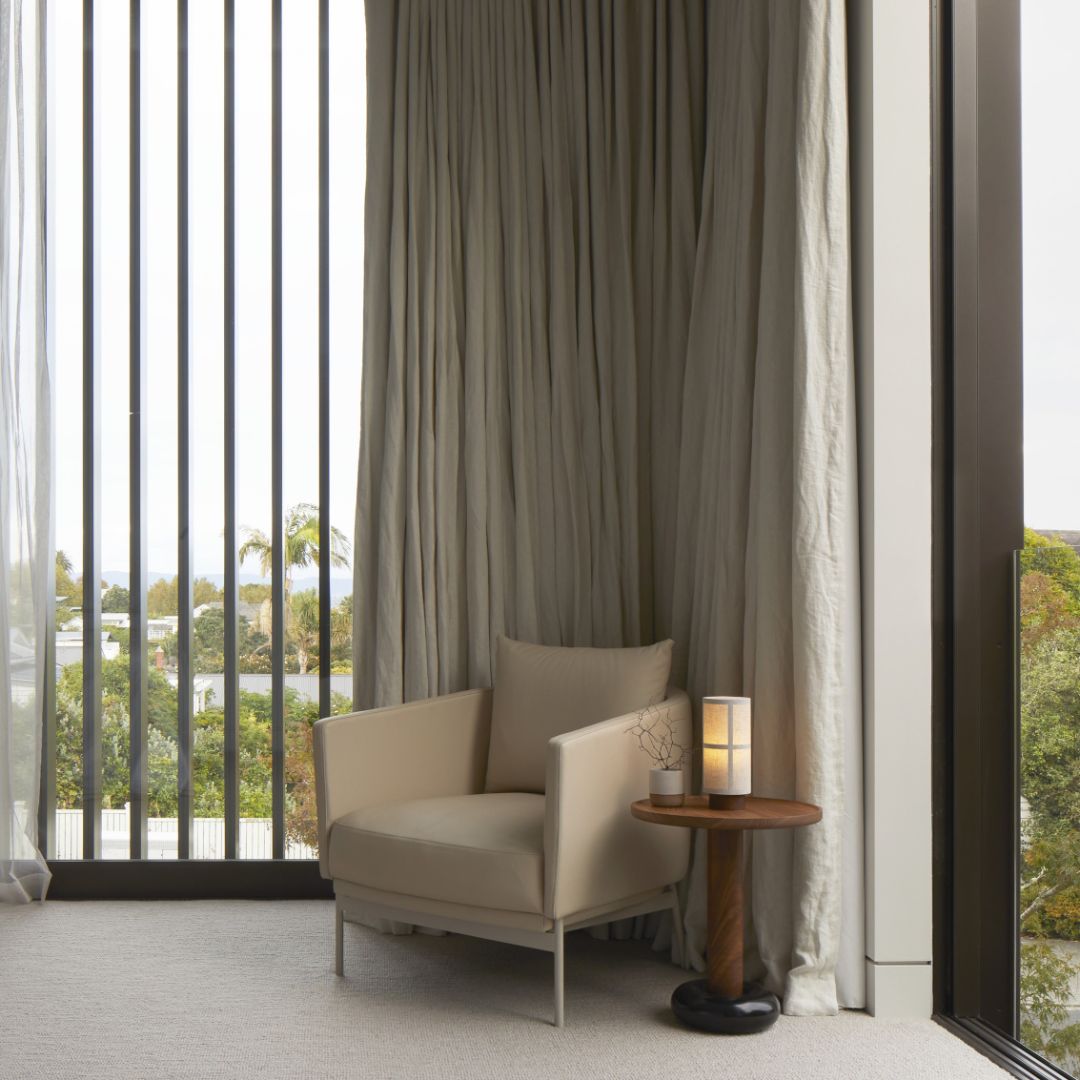
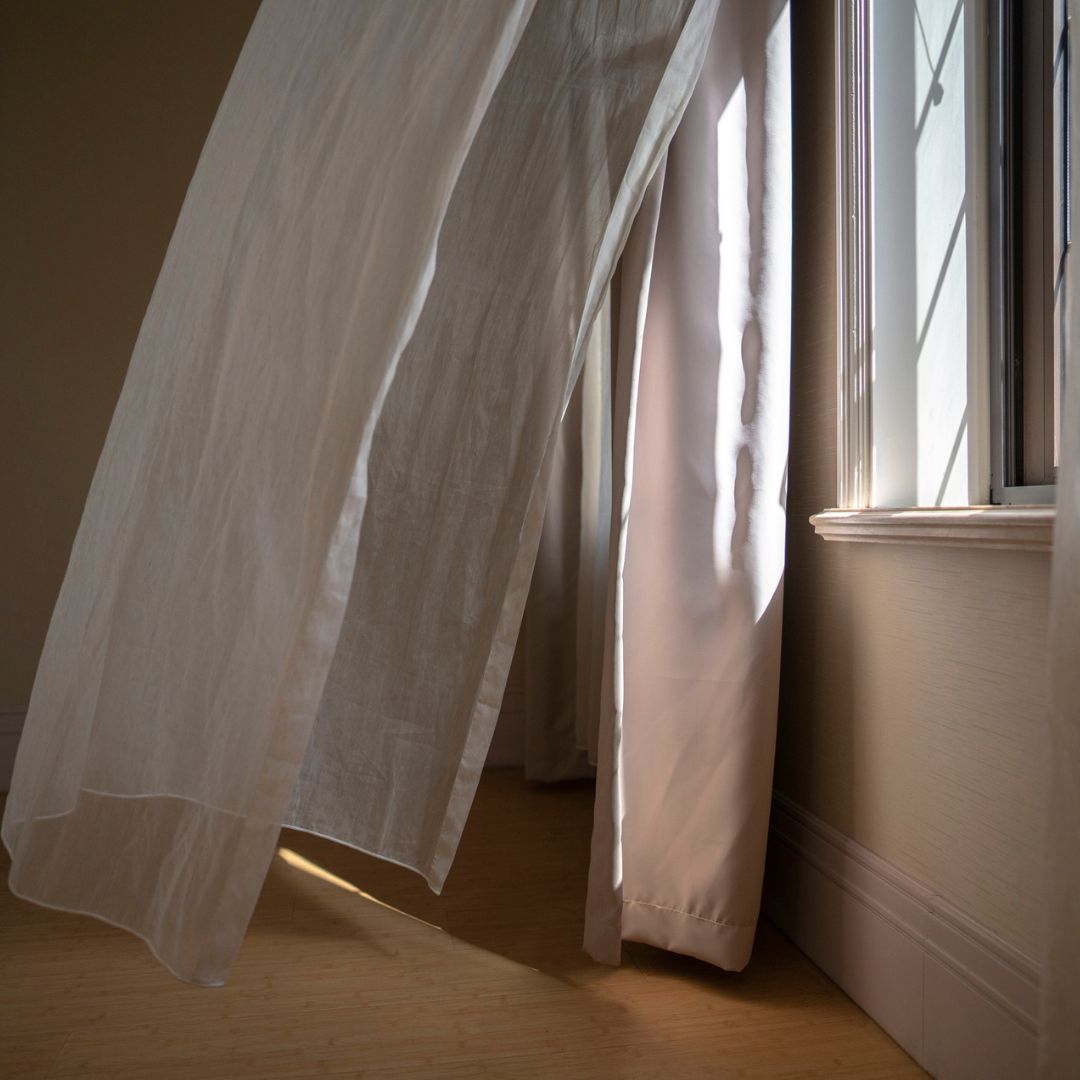
Whilst lining is often stitched onto the back of curtain fabric is can also be be hung separately on a second track behind the curtain fabric, giving a household two independent layers of control instead of one fixed combination." During the day, the sheer or curtain alone can be drawn for soft, glare-filtered light and privacy, whilst at night, close both for full warmth, privacy and blockout light control. "says Kiri Fields.
Q: Does a curtain lining really make a difference to room temperature?
A: Yes. Well-fitted, lined curtains can reduce heat loss through a window by up to 24%, making lining one of the simplest and most effective insulation upgrades for a New Zealand home. The level of improvement depends on the lining type, with coated thermal and blackout linings offering the highest performance.
Q: Can linings be used on Roman blinds as well as curtains?
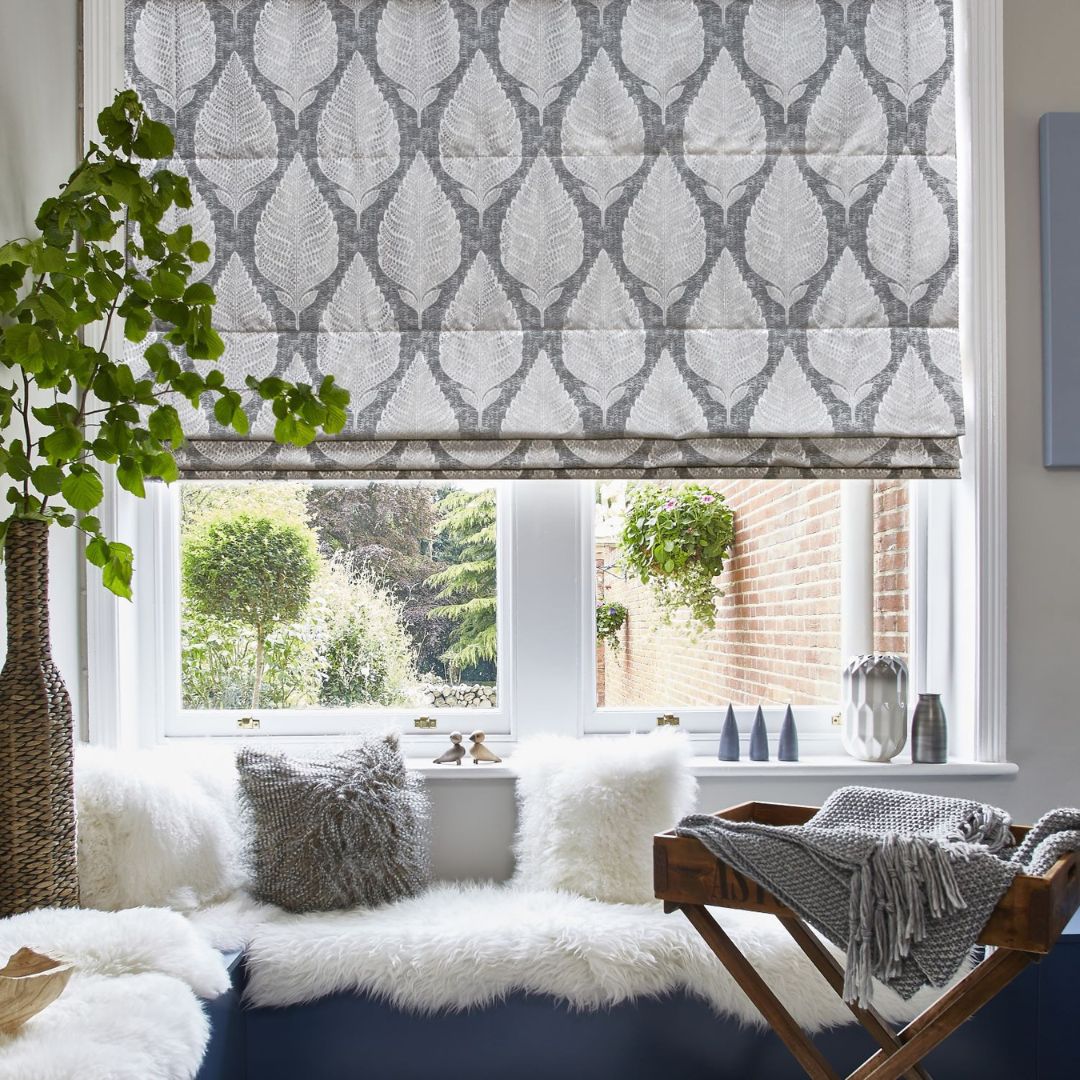
A: Yes. Protection Plus linings can be attached directly to Roman blinds as well as curtains, giving the same light control, insulation and fabric protection regardless of which window furnishing style you choose.
Q: What's the difference between a blackout lining and a uncoated lining ?
A: A thermal blackout lining, such as Armourguard 11, uses a triple coating to block external light and maximise insulation — ideal for bedrooms, and popular on both curtains and Roman blinds. A poly/cotton lining such as Serenity is uncoated and whilst offering protection from UV glare and helping the drapery look fuller and fall elegantly, they offer more limited thermal and block out properties.
Q: Can I hang my curtain lining separately from my curtains?
A: Yes. A lining can be hung on its own twin track behind a sheer/ curtain, allowing the two layers to be opened and closed independently. This means you can draw just the sheer or curtain during the day for light and privacy with some sun glare protection, then close both layers at night for full warmth and blockout. This option applies to curtains; on Roman blinds the lining is attached directly to the blind.
 Linings Offer
Now is the right time to look at linings as we have 15% off Lahood Protection Plus Linings until the end of June. To get started, visit our Showroom at 104 Mount Eden Road, call 0800 524 663 or click below to arrange a complimentary, no obligation in-home consultation.